Top 10 White Label Taxi Dispatch Software To Use in 2026
758 Views
15min
January 9, 2025
Last Updated: January 22, 2026
Boost Your Businesswith AI Powered Products!
Enter your details for expert insights and a personalized action plan.
Share
Passengers expect to book a ride in seconds, track the driver in real time, pay digitally, and get support without calling anyone. Drivers expect steady ride allocation, accurate navigation, and transparent earnings. Fleet owners want visibility, control, and scalability without operational chaos.
Ride-hailing has become everyday infrastructure. Urban commuters rely on it to get to work. Gig drivers depend on it for income. Transport companies use it to manage fleets across cities. Even traditional taxi operators now compete with app-based services, whether they planned to or not.
The challenge most founders face is not whether to build a taxi app. It is how to build one without wasting time, capital, or momentum. This is where white-label taxi dispatch software enters the conversation.
Instead of spending months and heavy budgets on a fully custom build, many operators now prefer ready-made platforms that can be branded, customized, and launched faster. For enterprise teams, it reduces risk. For startups, it speeds up market entry. For regional operators, it makes scaling across cities practical.
✔️Why it often makes more sense than custom development?
✔️How to evaluate the top 10 white-label taxi dispatch software options in 2026?
✔️How to choose a solution that works for single-city launches as well as for multiple cities?
If you are exploring a reliable taxi app development solution, this guide is meant to help you make that decision with clarity, not confusion.
What Is White Label Taxi Dispatch Software?
At its core, white-label taxi dispatch software is a ready-built ride-hailing platform that you can brand as your own. The technology already exists. The workflows are tested. The core features are stable. What you control is how it looks, how it operates, and how it grows with your business.
Think of it like furniture.
Custom-built furniture is designed from scratch. It gives you total freedom, but it takes time, costs more, and mistakes are expensive to fix. A kit-based solution, on the other hand, gives you a strong foundation. You assemble, customize, and adjust it to your space. Faster, safer, and far more predictable.
White-label taxi dispatch software works the same way.
With a full custom build, everything starts from zero. Architecture, workflows, testing, integrations, and scaling logic all have to be built and validated. That can work for large enterprises with long timelines. The reason white-label taxi management software has become popular is simple. It lowers the barrier to entry without limiting growth.
You can:
Launch faster
Test markets before expanding
Run operations in one city or many
Customize features without breaking the core system
This is why many founders now choose a cloud-based ride-hailing software model. It removes infrastructure headaches and allows teams to focus on operations and growth instead of backend firefighting. For businesses planning expansion and wondering how to choose the best taxi dispatch system, understanding these fundamentals is the first step before comparing vendors, pricing, or features.
White Label vs Custom: A Practical Comparison
Most founders do not start by wanting white label software. They usually start by wanting control. The idea of a fully custom taxi app sounds appealing at first. You own everything. You design every flow. Nothing feels off the shelf. On paper, it looks like the perfect long-term move.
In practice, though, things get complicated quickly.
Building a taxi platform from scratch means solving problems that have already been solved many times before. Real-time location updates. Driver assignment logic. Payment failures. Peak-hour surge handling. These are not theoretical challenges. They show up on day one, and they cost time and money to get right.
That is why so many operators now choose ready-made taxi dispatch software instead of going fully custom, especially in the early stages.
Factor
White Label
Custom
Cost
Lower upfront
Higher upfront
Speed
Fast deployment
Slower build time
Flexibility
Moderate
High
Ownership
You own brand
You own product
→Time to Market Matters More Than Most Founders Expect
Speed is often underestimated until it is too late. A custom taxi app can take six months or more before it is stable enough for real users. A white label platform can help you launch a taxi app fast, sometimes in a matter of weeks.
That difference is not just about convenience. It affects: How quickly you start learning from real users Whether you catch a market window or miss it How long your capital lasts before revenue starts
For founders entering competitive markets, speed is often the difference between testing an idea and watching someone else win first.
White label platforms offer more predictable pricing. The upfront investment is usually lower, and the core system has already been tested across multiple deployments. This is why many startups looking for on-demand taxi booking software start with white label and evolve later if needed.
→Easier to Pivot When the Market Pushes Back
Almost no taxi app launches perfectly. You might discover that riders want scheduled rides more than instant bookings. Or that drivers prefer different payout cycles. Or that one city behaves very differently from another.
With white label taxi booking app software, these pivots are easier. You are adjusting configuration and features, not rewriting architecture. That flexibility is one of the biggest reasons founders stick with top-rated taxi dispatch software instead of custom builds early on.
→Avoiding Early Technical Debt
Technical debt is not just a developer problem. It becomes a business problem when features take longer to ship and systems become fragile. White label solutions usually come with mature codebases that have already handled scale, failures, and edge cases. This reduces the risk of building something that works today but collapses under growth.
Top 10 White Label Taxi Booking and Dispatch Software To Launch Your App Fast
Every white label taxi platform here solves a slightly different problem. Some help you launch fast. Others help you operate cleanly at scale.
The best choice depends on whether you are serving local riders, managing fleets, or building a long-term Uber like taxi app solution. In 2026, success is less about copying a model and more about choosing a system that fits how you actually run your business. Each platform is explained the way founders and operators actually evaluate software, based on usability, flexibility, and long-term viability.
1QuickRides
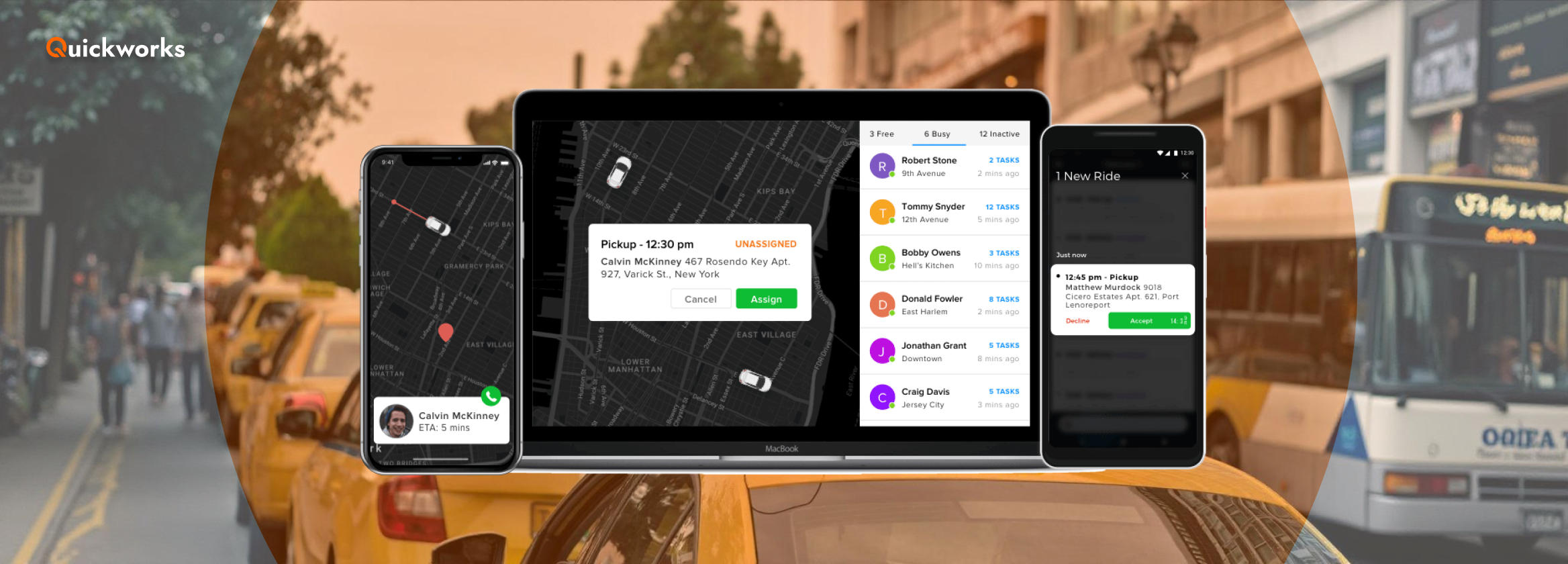
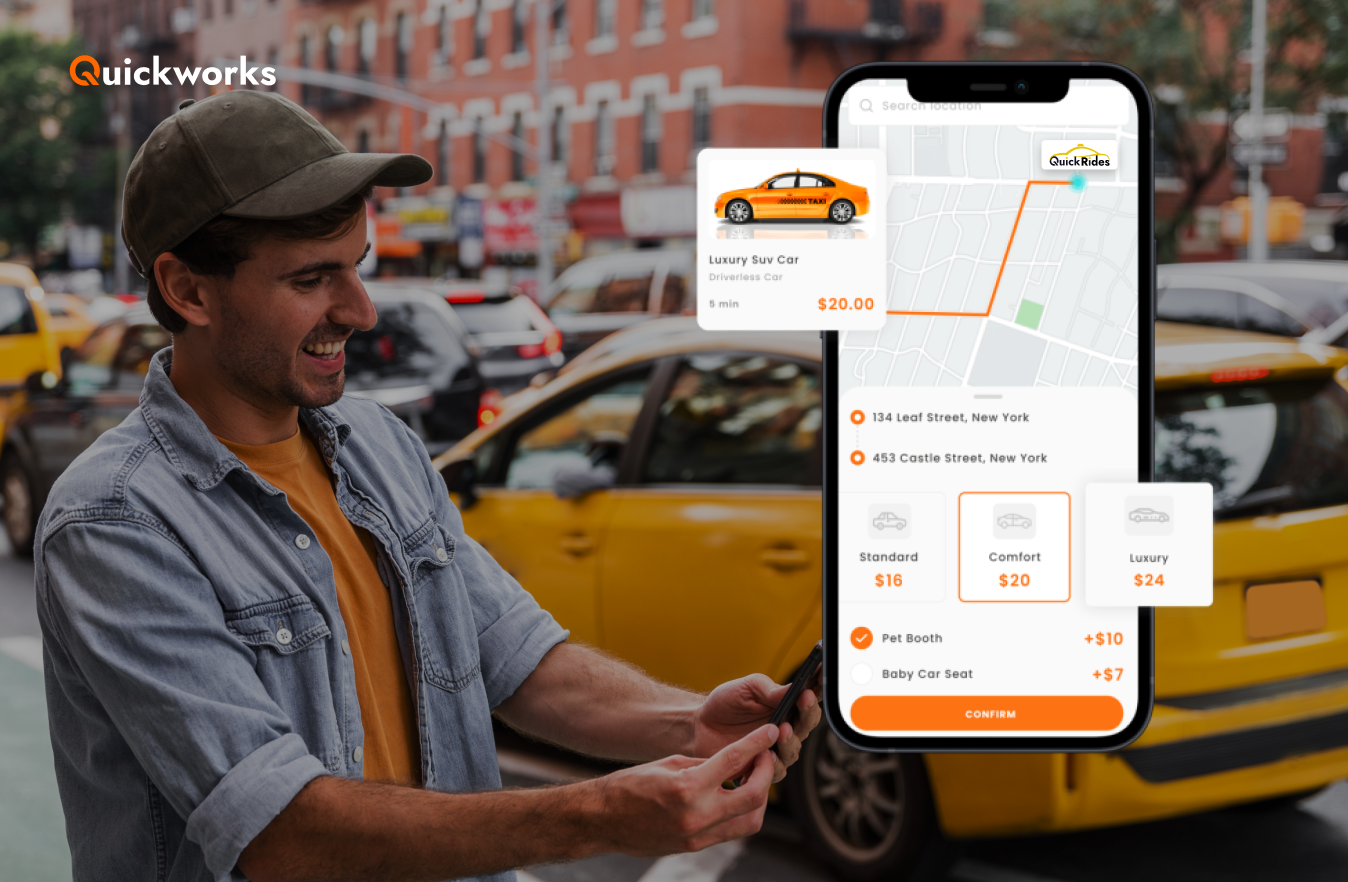
QuickRides is an advanced, prebuilt taxi dispatch software solution designed for businesses that want to stay ahead of the curve. It offers a cloud-based taxi dispatch software platform equipped with the latest features and functionalities that enable seamless management of your fleet. This best taxi dispatch software helps deliver timely and efficient services, saving both time and money while positioning you to disrupt the competitive landscape.
Key Features and Benefits:
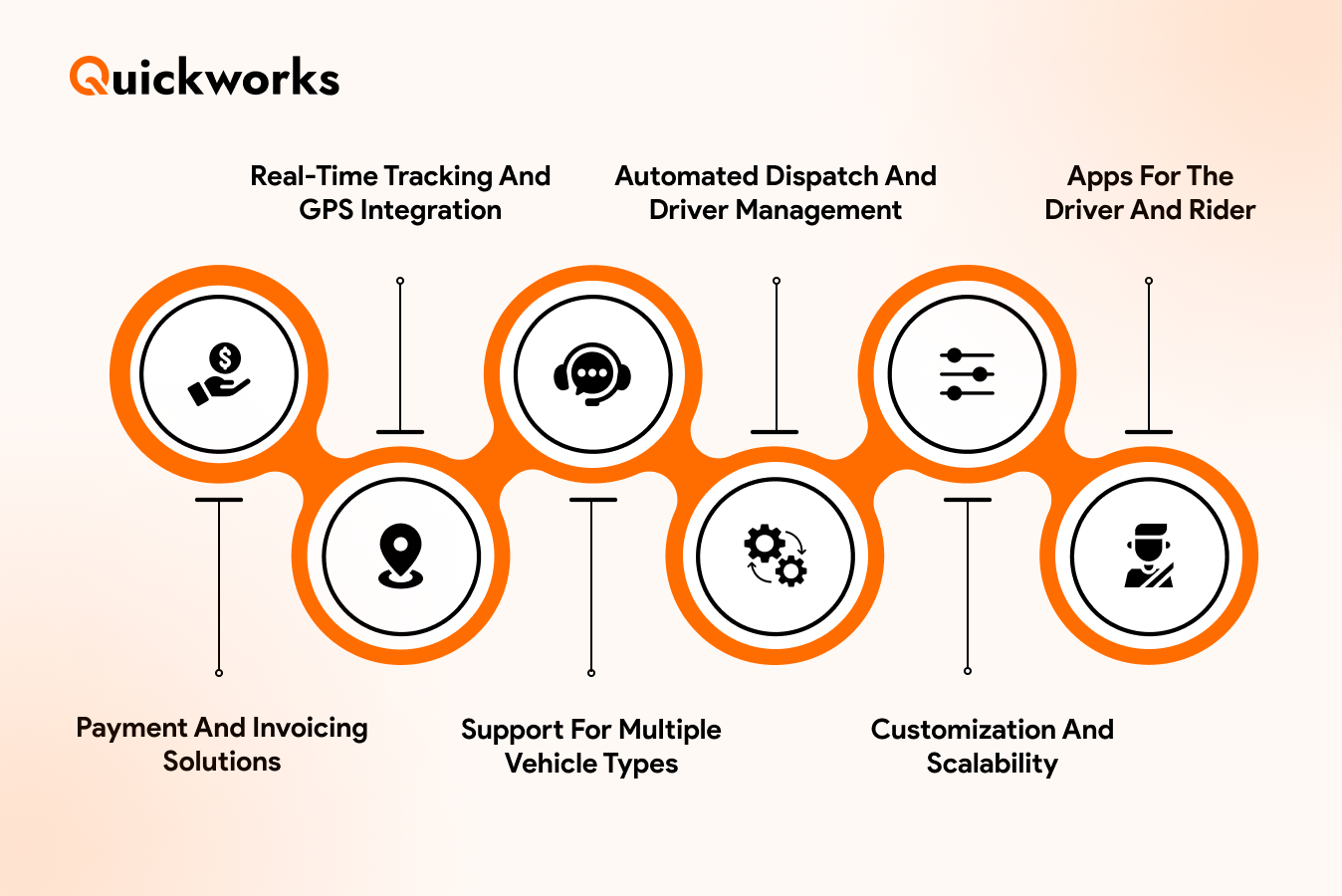
Real-time tracking and GPS integration for efficient route management.
Automated dispatching to assign rides based on proximity and availability.
Mobile apps for drivers and passengers to improve the user experience.
Integrated payment and invoicing system for easier transactions and receipts.
Scalability to support small fleets or large, growing businesses.
Pricing Structure: Subscription-based pricing, with flexible plans to cater to businesses of all sizes.
Ideal For: Large fleets and tech-savvy businesses looking for an all-in-one solution with cutting-edge features to stay ahead of their competition.
2RideOps
RideOps is an intuitive taxi booking and dispatch software designed specifically for small to medium-sized fleets. Its simplicity and ease of use make it an excellent choice for businesses looking to streamline operations without overwhelming complexity. The small fleet taxi dispatch software is perfect for businesses that need an affordable and efficient solution.
Key Features and Benefits:
Easy-to-use interface that simplifies fleet management.
Efficient booking system for managing customer rides and vehicle availability.
Driver rating system to ensure quality service.
Real-time vehicle tracking with accurate ETAs.
Pricing Structure: Affordable, pay-as-you-go model perfect for growing businesses.
Ideal For: Small to medium-sized businesses looking to improve operational efficiency without a hefty price tag.
3UberFleet
UberFleet is an excellent choice for businesses prioritizing mobile-first user experiences. With seamless integration for both drivers and passengers, it’s designed to make operations faster, easier, and more engaging. This dispatch taxi software provides a comprehensive solution with a strong focus on mobile apps.
Key Features and Benefits:
Custom-branded mobile apps for drivers and passengers.
Real-time location tracking to ensure timely pickups and drop-offs.
Push notifications to keep passengers and drivers informed.
Rating and review system to ensure a high standard of service.
Pricing Structure: Subscription model, with different pricing tiers based on fleet size.
Ideal For: Businesses prioritizing mobile technology and customer engagement.
4Fleetmatics
Fleetmatics stands out for its support of multiple vehicle types, including taxis, ride-sharing services, and limousines. This versatility makes it the ideal taxi software for businesses that require a unified system for a diverse fleet.
Key Features and Benefits:
Versatile vehicle support, from taxis to luxury vehicles.
Advanced routing algorithms for optimized dispatching.
Comprehensive fleet management tools for vehicle maintenance and performance tracking.
Cloud-based taxi dispatch software for easy access and security.
Pricing Structure: Flexible pricing based on fleet size and service needs.
Ideal For: Businesses with diverse vehicle types, including taxis, ride-sharing services, and luxury transportation.
5CabHound
CabHound is a data-driven taxi dispatch system software that excels at real-time data analysis. It’s built to help businesses make informed decisions through detailed reports and analytics, making it an ideal solution for businesses aiming to optimize efficiency and performance.
Key Features and Benefits:
Real-time data dashboards for monitoring fleet performance.
Advanced reporting tools to track trends, performance, and customer behavior.
Analytics-driven dispatching to maximize efficiency.
Automated scheduling based on data insights.
Pricing Structure: Subscription-based with various plans tailored to business needs.
Ideal For: Data-driven businesses that rely on detailed reports and analysis to optimize operations.
6Cabubble
Cabubble is a feature-rich taxi booking software designed to help small to medium-sized taxi companies offer a modern and efficient booking experience for passengers.
Key Features:
Real-time booking and dispatch system.
Integrated payment gateway and receipt generation.
Driver management with GPS tracking.
Multiple booking channels, including mobile apps and web-based systems.
Customer communication via in-app messaging and notifications.
Pricing Structure: Affordable subscription plans with a free trial period to test the system.
Ideal For: Budget-conscious businesses that need a simple and effective solution without breaking the bank.
7Fleet Complete
Fleet Complete is a robust, scalable taxi cab dispatch software solution for large-scale operations. It is designed to grow with your business, offering customizable features that can accommodate enterprise-level needs.
Key Features and Benefits:
Highly customizable features to suit business-specific needs.
Comprehensive fleet tracking with advanced GPS integration.
Real-time data monitoring and analytics for better decision-making.
Maintenance management to ensure vehicle uptime.
Pricing Structure: Tiered pricing, with options for large businesses requiring advanced functionalities.
Ideal For: Large operations requiring a scalable, customizable solution with enterprise-level features.
8TaxiCaller
TaxiCaller offers a flexible white label taxi dispatch software solution that can be fully customized to meet specific business needs. Whether you need specialized features or unique branding, TaxiCaller is adaptable to suit your requirements.
Key Features and Benefits:
Fully customizable interface and features to match branding and operational needs.
Multi-lingual support for businesses in diverse regions.
Integrated payment gateway for smooth transactions.
Real-time tracking and scheduling for optimal dispatching.
Pricing Structure: Flexible pricing options depending on the level of customization required.
Ideal For: Businesses requiring tailored solutions and a high level of flexibility.
9Curb
Curb is a platform for booking taxis, designed to help taxi companies streamline operations. It provides apps for both drivers and passengers and integrates various payment methods.
Key Features:
Easy-to-use booking interface.
Real-time ride tracking.
Support for multiple payment methods, including credit cards and in-app payments.
Loyalty and rewards programs for customers.
Rating and review systems for passengers.
Pricing Structure: Flexible pricing based on fleet size and required features
Best For: Taxi operators aiming to improve user engagement and fleet management.
10Gett (Formerly GetTaxi)
Gett is a popular taxi booking software, particularly in Europe, that offers an easy-to-use interface for passengers and operators. It provides seamless integration for both business and personal transport needs.
Key Features:
Simple app interface for both customers and drivers.
Corporate account management features.
Advanced ride-tracking and real-time notifications.
Billing, invoicing, and payment processing.
Pricing Structure: Subscription-based with various plans tailored to business needs.
Ideal For: Companies looking to improve engagement through features like loyalty programs and enhanced communication.
Software Name
Best For
Launch Speed
Customization Level
Multi-City Support
Pricing Model
Support & Scalability
QuickRides
Startups to growing taxi businesses
Very fast (weeks)
High
Yes
One-time + optional add-ons
Strong support, built to scale
RideOps
Fleet operators and managed transport
Medium
Moderate
Limited
Subscription-based
Stable for daily operations
UberFleet (Replacement)
Controlled fleet-based operations
Medium
Low–Moderate
Limited
Usage-based
Reliable but less flexible
Fleetmatics
Large fleets focused on efficiency
Slower
Low
Yes
Enterprise licensing
Highly scalable, enterprise-oriented
CabHound
Local taxi companies
Fast
Low
No
Fixed or subscription
Basic support, limited growth
Cabubble
Growing regional fleets
Medium
Moderate
Yes
Subscription-based
Good for structured expansion
Fleet Complete
Enterprise fleet management
Slower
Low
Yes
Enterprise contracts
Strong compliance and scale
TaxiCaller
Dispatcher-led taxi operations
Fast
Moderate
Yes
Monthly subscription
Proven, reliable support
Curb
Regulated taxi networks
Medium
Low
City-specific
Commission or partnership
Market-trusted, limited flexibility
Gett (GetTaxi)
Corporate and business travel
Medium
Low–Moderate
Yes
Contract-based
Strong for B2B, not startups
Cost to License or Use White Label Taxi Dispatch Software in 2026
The honest answer is that white label taxi dispatch software pricing depends less on the software name and more on how you plan to use it. A local fleet running in one city has very different needs from an operator launching across multiple regions with hundreds of drivers.
Still, there are clear pricing patterns across the market in 2026.
Common Pricing Models You’ll See
Most top-rated taxi dispatch software providers follow one of these models, sometimes a mix of two. For enterprise buyers, one-time licensing with optional support is still the most predictable model.
One-time license You pay upfront, get the software, and host or manage it yourself. This works well for operators who want cost certainty and long-term control.
Subscription-based pricing Monthly or yearly fees based on usage, number of drivers, or features. This lowers entry cost but adds recurring expenses over time.
Revenue share model Instead of paying upfront, the provider takes a percentage of each completed ride. This can feel attractive early on, but costs grow quickly as volume increases.
Typical White Label Taxi App Pricing in 2026
Here’s a realistic view of what businesses pay today for cloud-based taxi booking software.
Tier
What's Included
Typical Price Range
Basic
Rider app + driver app, core dispatch
$4,000 – $10,000
Standard
Full dispatch system, admin panel, payments
$10,000 – $25,000
Enterprise
Complete white label taxi management software, branding, custom modules
$30,000 – $40,000+
What Actually Drives the Cost
If you’re comparing the cost of cab dispatch software, these are the factors that move the number up or down.
Number of cities and regions A taxi app for small fleet owners in one city is far simpler than a white label taxi app for multiple cities. Multi-city logic increases complexity fast.
Custom branding and workflows Basic logo changes cost little. Custom booking flows, pricing logic, or dispatch rules increase effort and cost.
Payment gateway integrations Supporting local wallets, cards, and region-specific gateways adds setup and compliance work.
Post-launch support and upgrades Ongoing updates, OS compatibility, and feature upgrades are often overlooked but matter more after launch than before.
Ownership model If you want full ownership of the source code, pricing is higher upfront but cheaper long-term.
Must Have Features to Look in Taxi Dispatch Platforms
Features matter, but context matters more. In 2026, expectations are clear on all sides. Riders want reliability and transparency. Drivers want fairness and predictability. Operators want control without complexity. The best white label taxi dispatch software works because it balances all three, not because it piles on features.
What follows are the capabilities most modern platforms include today, along with why each one actually exists.
Real-Time GPS Tracking as the Core of Dispatch
Live GPS tracking is no longer a differentiator. It is the foundation. Accurate tracking reduces rider anxiety, lowers support tickets, and helps operators resolve disputes quickly. For dispatch teams, it enables smarter driver assignment based on proximity, availability, and traffic conditions. When tracking fails, everything else breaks with it.
Dynamic Pricing That Responds to Reality
Fixed pricing cannot survive real-world demand swings. Surge pricing exists because traffic, availability, and peak hours are unpredictable. A well-designed system adjusts fares dynamically while keeping pricing logic visible to users. When transparency is missing, even short delays feel unacceptable, which is why pricing logic must be clear, not aggressive.
Admin Analytics That Turn Operations Into Decisions
This is where many platforms disappoint after launch. Strong admin dashboards do more than show numbers. They explain behavior. Operators need visibility into when bookings spike, why cancellations happen, where drivers go offline, and which zones generate sustainable revenue. Without this clarity, expansion becomes guesswork instead of strategy.
Drivers are not passive users. They are business partners. Performance dashboards help drivers understand their earnings, trip history, ratings, and incentive progress. When drivers feel informed and fairly rewarded, churn drops. In ride-hailing, retention is often cheaper than acquisition, yet many platforms still treat driver insights as an afterthought.
In-App Communication That Reduces Friction
Not every problem needs a phone call. In-app messaging between riders and drivers handles pickup clarifications, location confusion, and short delays without pulling in support teams. This small feature quietly improves efficiency on both sides of the platform.
ETA Predictions That Build Trust
Speed matters less than accuracy. Modern taxi dispatch platforms rely on historical traffic data, route patterns, and driver behavior to generate realistic ETAs. When arrival times are consistently reliable, user trust improves even during delays. Overpromising speed is far more damaging than being honest about timing.
Safety Features That Protect the Business
Safety tools are no longer optional extras. Regulators, riders, and partners increasingly expect features like SOS buttons, live trip sharing, and verified driver profiles. These tools are not about marketing claims. They reduce legal exposure, operational risk, and crisis response time.
Payments That Match Local Behavior
Cash usage is declining, but flexibility still matters. A practical taxi app development solution supports cards, regional wallets, promo credits, and refunds without friction. Payment failures are one of the fastest ways to lose repeat users, even when the ride itself went smoothly.
Mistakes to Avoid When Choosing White Label Taxi Dispatch Software
❌Ignoring Scalability Early On
Many founders choose a platform that works well for one city and a small driver base, assuming they will upgrade later. The problem appears when bookings increase and the system starts lagging. Ride assignment slows down, tracking becomes unreliable, and admin panels struggle to load. At that stage, switching platforms is far more expensive than choosing a scalable solution from the start.
❌Overlooking Source Code Ownership
Some white-label taxi management software providers limit access to the source code. This restricts customization, locks you into one vendor, and makes future changes dependent on their roadmap. Founders often realize this when they want deeper feature changes or third-party integrations and find themselves blocked.
❌Choosing Software Without Long-Term Support
Launching an on-demand taxi app development solution is only the first step. Real challenges come after launch, when OS updates roll out, payment gateways change, or drivers report real-world issues. Platforms without structured post-launch support create operational stress and slow down growth.
❌Prioritizing Low Price Over Long-Term Value
Low-cost solutions look attractive during early planning, but hidden limitations show up later. Poor performance, restricted customization, and lack of upgrades often lead to additional spending or even a complete rebuild. What seemed affordable at first becomes expensive over time.
❌Skipping Real-World Validation
Sales demos rarely show how software behaves during peak demand or multi-city operations. Without checking live apps, existing customers, or real case studies, decision-makers risk choosing a platform that looks polished but struggles in production.
How Founders Can Customize and Scale These Platforms in 2026 and Beyond
The right white label taxi dispatch software is therefore important to maintain the smooth operations of your business and to stand out in this increasingly competitive marketplace. Each taxi dispatch software brings its unique strength to the table, whether that's mobile integration, multi-vehicle support, data analytics, or real-time dispatching.
👉Customizing the User and Driver Experience
Successful platforms rarely stay generic. Founders often start by tailoring loyalty programs, driver incentives, and fare structures to match local behavior. These changes help improve retention without overcomplicating the product.
👉Expanding Beyond Basic Ride-Hailing
A strong Uber like taxi app solution can support more than standard car rides. As demand grows, founders often introduce bikes, rentals, scheduled rides, or even delivery services. This works smoothly only when the platform is designed to support multiple service types.
👉Using Data to Drive Smarter Decisions
As operations scale, intuition alone stops working. Admin analytics become essential for understanding demand patterns, driver efficiency, and pricing effectiveness. Platforms with weak reporting limit growth because decision-making becomes reactive instead of informed.
👉Preparing for Multi-City and Regional Growth
A white label taxi app for multiple cities must handle different pricing rules, tax structures, and peak-hour behaviors. Founders who plan for this early avoid painful restructures when expansion becomes a priority.
👉Choosing the Right Technical Foundation
While founders do not need to obsess over the tech stack, it matters more than many realize. A cloud-based ride-hailing software built with modular architecture allows features, integrations, and cities to be added without slowing down performance or increasing maintenance overhead.
Final Thoughts
By now, one thing should be clear. Choosing the best white label taxi dispatch software is less about finding the most famous name and more about finding the right fit for how your business will actually operate. The ability to launch a taxi app fast using ready-made taxi dispatch software can decide whether you capture early demand or lose momentum waiting for a custom build to finish.
At the same time, speed without structure creates problems later. Platforms that cannot scale, adapt to new cities, or support operational complexity quickly become bottlenecks. A strong on-demand taxi booking software sits in the middle. It helps you move quickly without boxing you in. It gives you enough flexibility to grow while keeping costs predictable. And most importantly, it supports real-world operations instead of just looking good in a demo.
Enterprise buyers often discover this the hard way. Branding names and feature checklists fade fast once drivers come onboard, payments go live, and customers start booking at scale. What stays relevant is reliability, clarity, and the ability to evolve without rebuilding everything from scratch.
Features matter, but understanding your own operating reality matters more. Quickrides is that investment you can make for future success of your business!
QuickRides is the one that makes a difference out of the myriad of dispatch taxi software available. This Uber-like taxi booking app solution comes with advanced features like real-time tracking, automated dispatching, and seamless payment processing that is built for a modern taxi business.
Frequently Asked Questions(FAQs)
White label taxi dispatch software is a ready-built platform that allows businesses to launch their own branded taxi app without developing everything from scratch. It typically includes rider apps, driver apps, admin dashboards, and payment systems that can be customized to match your brand and business rules.
Cloud-based taxi dispatch software like QuickRides offers significant advantages, including real-time access to data, enhanced security, and scalability. With cloud storage, your fleet management system is accessible from anywhere, allowing you to track vehicles and manage dispatch operations efficiently. The cloud-based nature ensures that you can easily update and scale the software as your business grows, making it a flexible choice for both small and large fleets.
Pricing varies based on features, scale, and support. Entry-level platforms may cost $4,000, while enterprise-grade solutions with full customization and multi-city support can cost much more. Licensing models usually include one-time fees, subscriptions, or revenue sharing.
Most businesses can go live within a few weeks, depending on branding, integrations, and testing. This is significantly faster than custom development, which often takes several months before reaching a usable launch stage.
Yes. Most top-rated taxi dispatch software allows customization of pricing logic, driver incentives, service areas, languages, and branding. The depth of customization depends on whether source code access is included and how modular the platform is.
Source code ownership is not mandatory for every business, but it becomes important if you plan deep customization, third-party integrations, or long-term independence from the vendor. Without it, your roadmap often depends on the provider’s priorities.
Scalability depends on the platform’s architecture. The best cab dispatch software solution supports multi-city operations with separate pricing rules, local regulations, and reporting per region without performance issues.
At minimum, expect bug fixes, OS updates, and payment gateway maintenance. Strong providers also offer performance monitoring, feature upgrades, and operational guidance as usage grows.
QuickRides is often chosen because it works for both. Startups benefit from fast deployment and predictable costs, while larger operators value its ability to support higher volumes, multiple cities, and operational customization without rebuilding the platform.
QuickRides supports integration with multiple payment gateways and regional services, which is critical for operators targeting specific markets rather than a one-size-fits-all model.
Chubby & Enthusiastic! Proficient in marketing research and statistical analysis. Highly creative with my thoughts about the latest mobile and web advancements. Dwell up the tech world with my glasses :)
Subscribe to Get Search Free Updates on Upcoming Tech Stories.
You Tell Us the Destination, and We Will Lead the Way for You
We Are a Global Leader in New Age Digital Product Development.




 January 9, 2025 Last Updated: January 22, 2026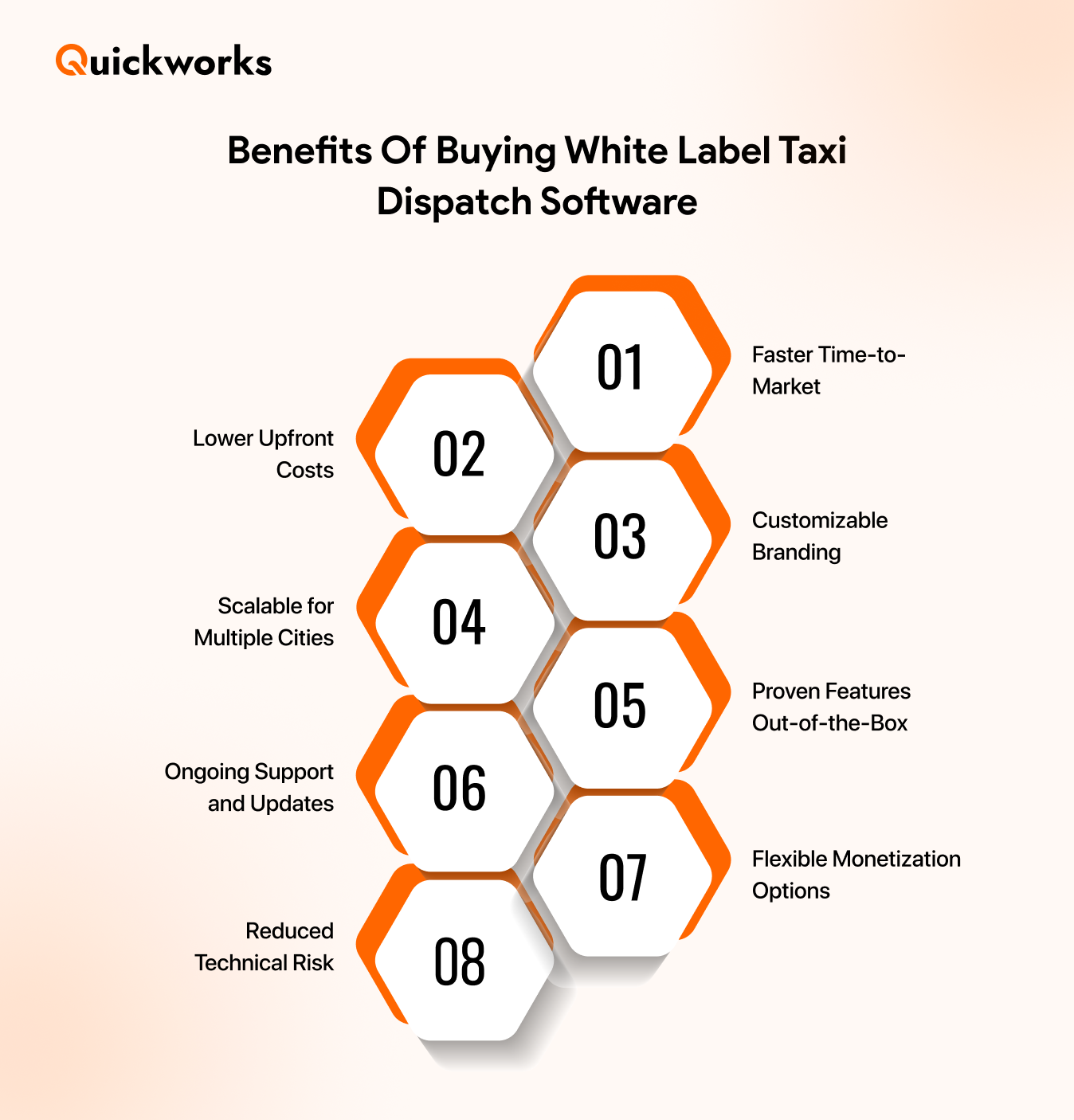




 Phone Number:
  Email: